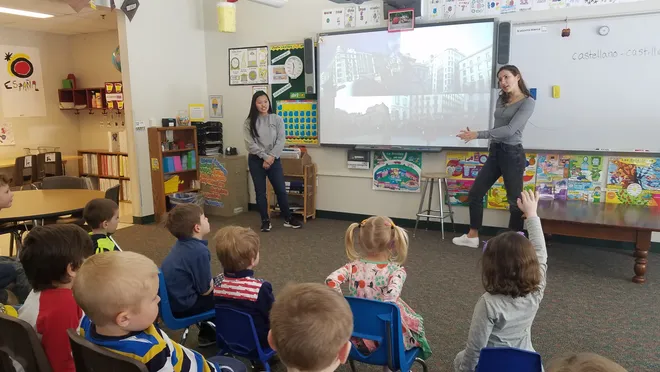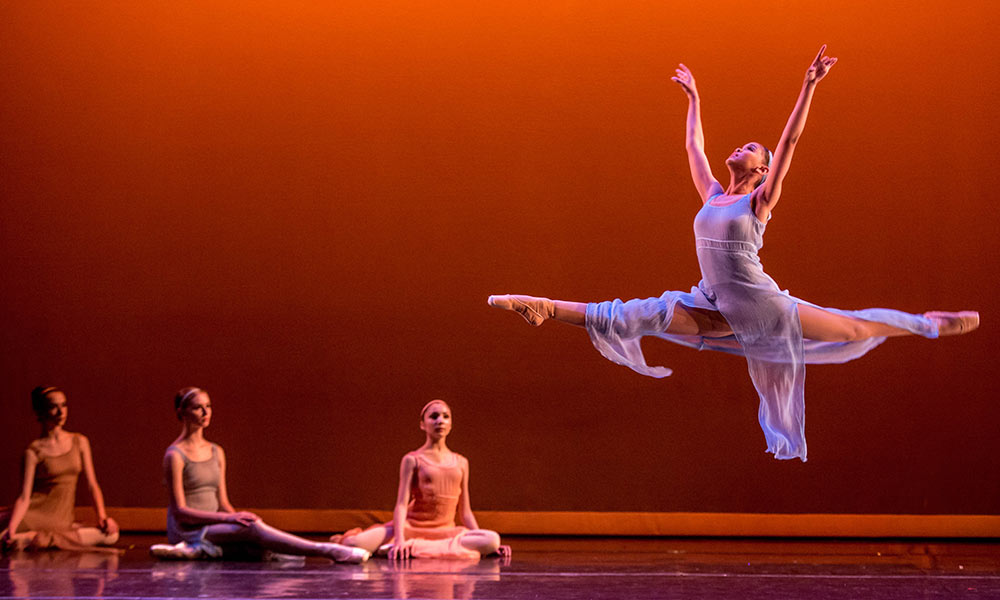


Children who struggle to speak up in class often bloom when given the right tools. Speech and drama lessons provide a safe space where young people learn to express themselves without fear of judgement. These classes go far beyond memorising lines or learning stage directions.
The Foundation of Clear Communication
Many children find it hard to articulate their thoughts clearly. They might have brilliant ideas but can’t find the right words to share them. Speech and drama classes teach students how to structure their thoughts and deliver them with clarity. Through regular practice, they learn to pace their speaking and project their voices properly.
Voice control becomes second nature over time. Students discover how to use tone, pitch and volume to make their words more effective. These skills prove useful in everyday situations, from answering questions in class to chatting with friends.
Building Confidence Through Performance
Standing in front of others can feel terrifying for many young people. Speech and drama training helps students overcome this fear gradually. They start with small exercises and build up to larger performances as their comfort grows.
Each small success adds to their confidence. A child who once hid at the back of the classroom might volunteer to present their work. The transformation happens because they’ve practised in a supportive setting where mistakes are part of learning.
Understanding Emotion and Expression
Dramatic training teaches students to recognise and express different emotions. They learn to show happiness, sadness, anger and fear through facial expressions and body language. This awareness extends beyond the stage into real life.
Children become better at reading other people’s emotions too. They notice when a friend feels upset or when someone needs support. These social skills help them build stronger relationships with peers and adults alike.
Physical Awareness and Body Language
Speech and drama work involves the whole body, not just the voice. Students learn how posture affects the way others perceive them. Standing tall with shoulders back sends a different message than slouching with arms crossed.
Movement exercises help children become more aware of their physical presence. They discover how to use gestures to emphasise points and how to move with purpose. This body awareness helps them appear more confident in all areas of life.
Creative Thinking and Problem Solving
Dramatic activities require quick thinking and creativity. Students must make choices about how to interpret a character or deliver a line. They learn there’s often more than one right answer to a problem.
Improvisation exercises push children to think on their feet. They can’t rely on a script and must respond to whatever happens in the moment. This flexibility serves them well in unpredictable situations outside the classroom.
Listening and Collaboration Skills
Theatre work depends on teamwork. Students must listen carefully to their scene partners and respond appropriately. They learn that good performance comes from supporting others, not just showcasing themselves.
Group activities teach children to share ideas and accept feedback. They discover how to compromise and work towards a common goal. These collaborative skills prepare them for future work in any field.
Memory and Concentration
Learning lines and blocking requires focus and dedication. Students develop stronger memory skills through regular practice. They find techniques that work for them, whether that’s repetition, visualisation or association.
The discipline of rehearsal teaches children to concentrate for extended periods. They learn to stay present and focused even when distractions arise. This improved concentration helps with academic work and other activities.
Long-Term Benefits Beyond the Stage
The skills gained extend into adult life. Strong communication abilities open doors in careers ranging from teaching to business. The confidence built in drama classes helps people tackle challenges and seize opportunities.
Students who participate often become more articulate adults. They can present ideas clearly, persuade others and express themselves authentically. These abilities prove valuable in interviews, meetings and personal relationships.
Parents frequently notice changes in their children’s behaviour outside class. Young people who once mumbled their words speak clearly and make eye contact. Those who avoided social situations become more willing to engage with others. The transformation reflects the powerful impact of learning to express oneself through performance and speech training.